Traveling to Amsterdam during Covid-19: What you need to know before you go - CNN
Editor's Note — Coronavirus cases are in flux across the globe. Health officials caution that staying home is the best way to stem transmission until you're fully vaccinated. Below is information on what to know if you still plan to travel, last updated on February 10.
(CNN) — If you're planning to travel to Amsterdam, here's what you'll need to know and expect if you want to visit during the Covid-19 pandemic.
The basics
Amsterdam is slowly emerging from its third lockdown since the start of the pandemic, with restrictions lifting across the Netherlands.
The Dutch government first introduced a strict lockdown throughout the entire country in December 2020, following a rapid rise in Covid-19 cases. A few weeks later, the Netherlands' first night time curfew since World War II was brought in, leading to rioting in Amsterdam and other major cities.
The country's latest strict lockdown commenced in December 2021 due to yet another increase in coronavirus infections. However, Amsterdam, along with the rest of the country, is now looking to return to normal life once again.
What's on offer
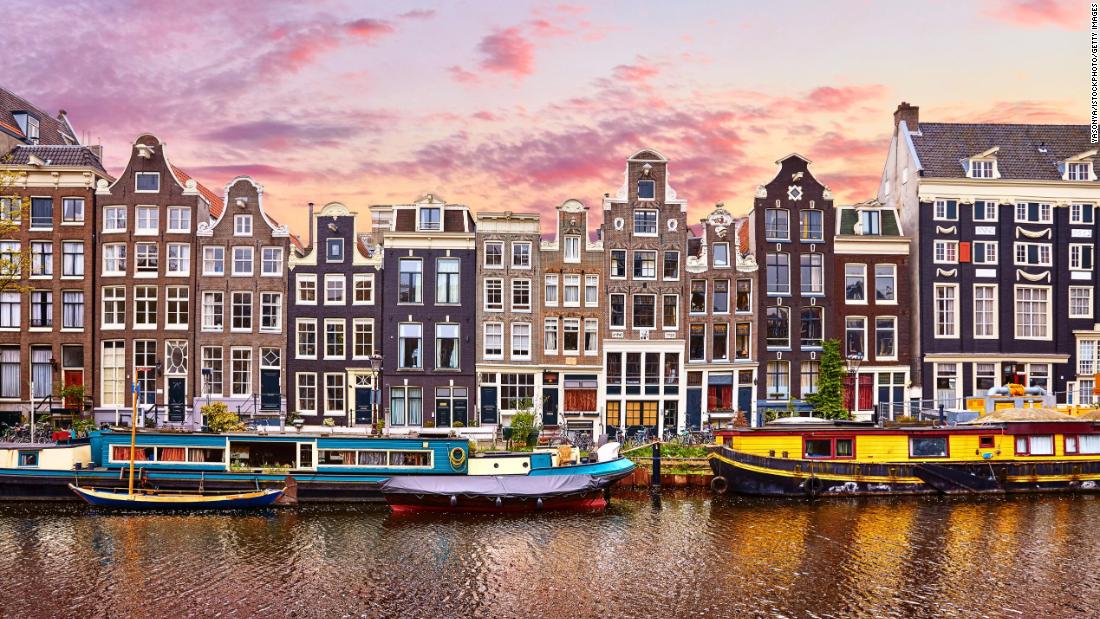
Amsterdam is a top draw thanks to its historic canals, stunning architecture, renowned museums and vast cultural attractions. The Dutch city's cycling culture has also contributed to its popularity, and the city remains one of the most favored destinations in Europe.
Who can go
European Union residents are allowed to enter Amsterdam, along with the rest of the Netherlands, for any reason.
However, there are different rules for those traveling from "safe" areas within the EU/Schengen area and those traveling from areas deemed high risk.
Arrivals from safe areas must fill in a health declaration before their arrival and take a Covid test once they've entered the Netherlands. At present, there are no countries within the EU/Schengen area that are designated "safe."
Those arriving from destinations deemed "high risk" within the EU/Schengen area must provide proof of vaccination, evidence of recovery from Covid-19 or a negative test result.
As of December 22, all travelers from countries outside the EU/Schengen that are not deemed "very high risk" with a variant of concern must produce a negative test before entry, along with a proof of vaccination or evidence of recent recovery from Covid-19.
Those from destinations that have been designated "very high risk" areas are required to quarantine for 10 days. The quarantine period can be shortened if the traveler returns a negative test result on the fifth day of isolation.
As of February 2, travelers who've received a booster shot at least seven days before entering the country will be exempt from quarantine, according to a statement from the Ministry of Health.
What are the restrictions?
Those coming from "very high risk" countries must show the results of a negative PCR or an antigen test (taken within 48 and 24 hours respectively if arriving by plane).
From December 22, travelers arriving from safe areas outside of the EU that aren't designated "very high risk" must provide proof of vaccination, or a negative PCR test result or antigen test taken within 48 hours (or collected within 24 hours for antigen tests).
Travelers from "very high risk" areas outside of the EU are required to quarantine for 10 days. Returning a further negative test on day five of quarantine means visitors from these countries can move around the country freely. You can make an appointment to get tested once you are in the Netherlands by calling 0800 1202.
What's the Covid situation?
Covid cases spiked in mid-July in the Netherlands, albeit from a low base, driven in part by the emergence of the highly contagious Delta variant. Cases had been trending downwards, but have begun to rise again in recent months. As of February 17, there have been over 5.9 million cases in the country, with more than 471,000 in the past week. There have been 22,005 deaths from Covid. So far, more than 71% of the population is fully vaccinated.
What can visitors expect?
Amsterdam has been slowly reopening as restrictions within the Netherlands ease.
Bars, cafes and restaurants were permitted to reopen with reduced capacity on January 26, while households can now have up to four guests aged over 13 in their homes at a time.
The city's museums, including the Van Gogh Museum and Rijksmuseum, also reopened in late January.
However, nightclubs are to remain closed for the time being.
Mandatory mask wearing in indoor public spaces was reintroduced on November 6.
The Netherlands has also introduced a coronavirus entry pass system that's available to those who are fully vaccinated, or have valid proof of recovery or a negative result from a Covid-19 test taken less than 24 hours previously in order to gain entry into specific venues.
The list of places a coronavirus entry pass is required has been expanded to include restaurants, museums, cinemas and gyms.
Useful links
Our latest coverage
Comments
Post a Comment